How Freedom Medical Alarms Support Independence for Seniors in New Zealand
When my mother first mentioned that she felt unsteady on her feet after a bout of bronchitis, I did what a lot of adult children do: I worried silently and hoped it would pass. It didn't, and a few weeks later she had a minor fall in the kitchen. No broken bones, thank goodness, but the shock stayed with her. That's when I started looking into medical alert systems for seniors in New Zealand, and I quickly realised that the right device can mean the difference between staying at home and moving into supported care.
For many older New Zealanders, the idea of wearing a pendant alarm can feel like a surrender of independence. But the truth is quite the opposite. A well-designed medical alert system gives seniors and their families the confidence to keep living in their own homes, knowing that help is never more than a button press away. This is the core promise of freedom medical alarms: they are tools for autonomy, not symbols of frailty.
What Makes a Medical Alert System Truly Freeing?
Not all personal alarms are created equal. The best systems combine reliable hardware with thoughtful monitoring that respects the user's privacy while ensuring safety. For my mother, the key features were straightforward: a waterproof device she could wear in the shower, GPS tracking so we could locate her if she went for a walk and got disoriented, and fall detection that would alert our family even if she couldn't press the button herself.
When we talk about freedom medical alarms, we're talking about a system that works without adding stress. That means no complicated setup, no confusing mobile app that requires a degree in engineering to use, and critically, no monthly fees that eat into a fixed retirement income. The idea of paying a recurring subscription for something you hope you'll never need to use can be off-putting. That's why the no monthly fees model appeals to so many families; it removes the financial barrier to staying safe.
Family Monitoring vs. Call Centres
One of the most important decisions when choosing a medical alert system is who responds when the alarm is triggered. Many traditional services route calls to a central monitoring station, which then contacts emergency services or a designated contact. That works, but it can feel impersonal. A newer model, and one that many New Zealand families are turning to, is family monitoring. This is where the alert goes directly to nominated family members or caregivers via a mobile app, so the people who know the senior best are the first to respond.
This approach has a couple of advantages. First, it reduces false alarms and unnecessary ambulance callouts. Second, it gives the senior a direct line to someone they trust, which can reduce anxiety. For my mother, knowing that a text alert would go to my sister and me gave her peace of mind. She didn't want a stranger showing up if she just needed help getting up off the floor. She wanted one of us.
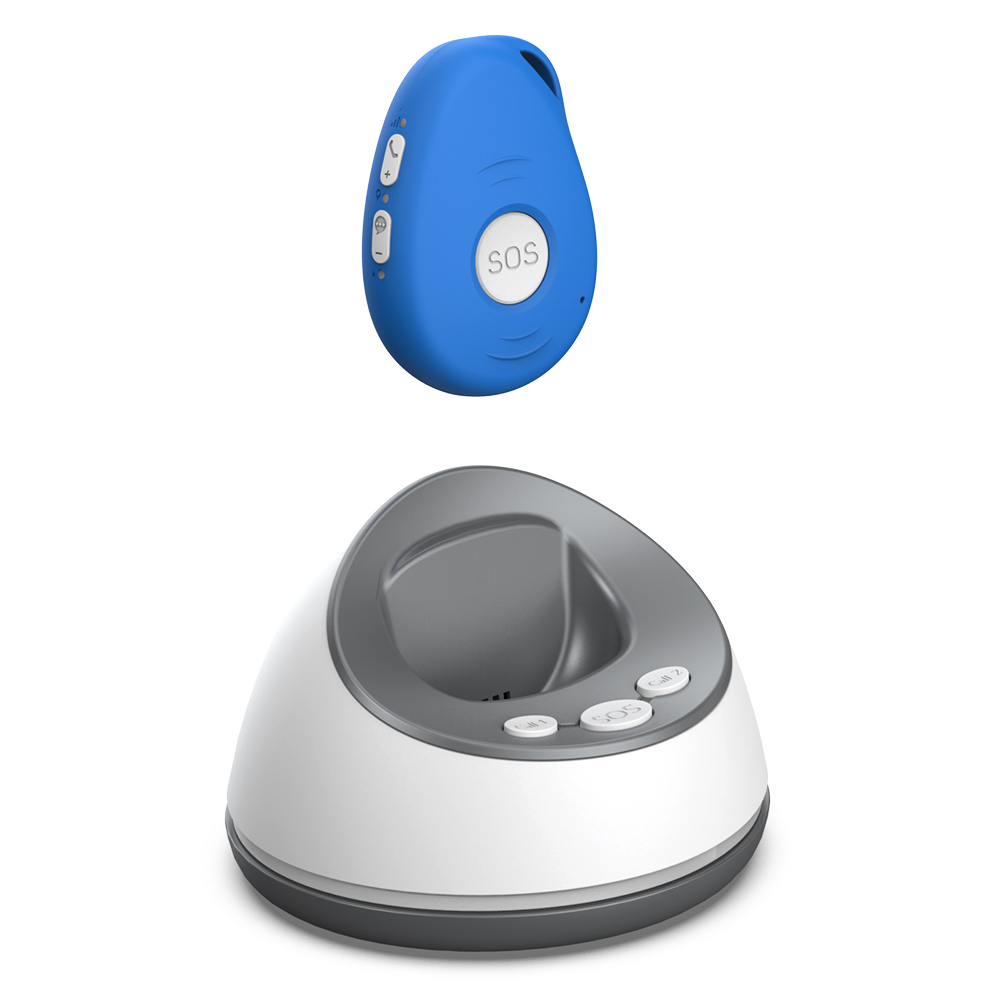
Family monitoring also works well for caregivers who live at a distance. With GPS tracking built into the pendant, you can see exactly where the person is when they press the button. That's a huge relief for families who have a parent living alone in a rural area or in a different city. The combination of a pendant alarm and family monitoring means the senior stays connected to their own support network, not a faceless call centre.
Fall Detection: The Feature You Hope You Never Need
Falls are the leading cause of injury-related hospital admissions for seniors in New Zealand. According to ACC and St John NZ, a significant number of these incidents happen at home, often when the person is alone. A fall can leave someone unable to reach a phone or press a button on a wall-mounted alarm. That's where a wearable device with automatic fall detection becomes invaluable.
Modern fall detection uses sensors in the pendant that can tell the difference between a sudden drop and ordinary movement like bending over to pick up the newspaper. When a fall is detected, the system sends an alert automatically, even if the person is unconscious or disoriented. This is not about being dramatic; it's about buying time. A senior who lies on the floor for an hour after a fall is at risk of complications that a quick response can prevent.
For families, knowing that the device includes fall detection reduces the constant low-level worry. It's one less thing to check on. And for the senior wearing it, it's a safety net that doesn't require them to remember to press a button. That's a genuine form of freedom medical alarms offer: the freedom from fear of the unknown.
Two-Way Calling and the R U OK? Check-In
Two-way calling is another feature that makes a real difference. When the alarm is activated, the caregiver or monitoring person can speak directly through the pendant to the senior. They can ask what's happening, reassure them that help is on the way, or just check in to see if it's a false alarm. This voice connection is far more comforting than a silent alert that leaves the senior wondering if anyone heard them.
Some systems also include a scheduled R U OK? check-in. The pendant will prompt the wearer at set times, say once a day, to confirm they are okay. If they don't respond, an alert is sent to the family. This is a subtle but powerful tool for seniors living alone, especially those with early-stage memory loss. Alzheimer's New Zealand has highlighted how such routines can help maintain independence for longer, because they catch problems early before they become crises.
Battery Life and Waterproof Design: Practical Matters
No one wants to be constantly charging a medical device. The best pendants have a battery life measured in months, not hours, and they give plenty of warning before the charge runs low. A waterproof device is non-negotiable because bathrooms are where many falls happen. Being able to wear the alarm in the shower or bath without worrying about water damage is a basic requirement.

I remember my mother being reluctant to wear her pendant in the shower because she thought it would get ruined. Once I showed her it was IP67 rated and fully waterproof, she relaxed. That small detail made a huge difference to her daily routine. She could keep it on all the time, and that consistency is what makes the system effective.
The pendant itself should be comfortable enough to wear all day. Some are designed as a necklace, others as a wristband. The right choice depends on personal preference, but the key is that it feels natural enough that the senior forgets they're wearing it. A pendant alarm that sits in a drawer is useless. The best freedom medical alarms are the ones that are actually worn.
Independence, Safety, and the Role of Caregivers
For caregivers, a medical alert system is more than a gadget; it's a tool that reduces the mental load of caring for someone from a distance. You don't have to call three times a day to check if everything is okay. The system does that for you. And if something is wrong, you'll know immediately. That peace of mind is invaluable, especially for families who are juggling jobs, children, and elderly parents.
Safety and independence are not opposites. A senior who wears a pendant alarm is not giving up their freedom; they are protecting it. They can keep gardening, walking the dog, visiting friends, and living their life on their own terms. The alarm is just a backup, like a seatbelt. You don't drive expecting to crash, but you still wear it.
For seniors with conditions like dementia, the combination of GPS tracking and family monitoring can be life-changing. If a person wanders and gets lost, the family can see their location in real time on the mobile app and go straight to them. This avoids the distress of a police search and the trauma of being found by strangers. It keeps the senior safe while preserving their dignity.
Making the Choice: What to Look For
If you're considering a medical alert system for yourself or a loved one, here are a few practical things to keep in mind:

- Check that the device is waterproof and suitable for shower or bath use.
- Look for long battery life and clear low-battery warnings.
- Consider whether family monitoring or a call centre response suits your situation better.
- Confirm there are no hidden monthly fees or long-term contracts.
- Test the range of the pendant to ensure it works throughout the home and garden.
The market in New Zealand has grown quickly, and there are many options. The right choice depends on the individual's lifestyle, health conditions, and living situation. A system that works for an active 70-year-old who lives in town might be different from one that suits an 85-year-old with limited mobility in a rural area. The key is to match the features to the person, not the other way around.
A Final Thought on Staying Home Longer
Most seniors want to age in place, in the home they know, surrounded by their memories and community. A good medical alert system makes that possible for longer. It's not about wrapping someone in cotton wool; it's about giving them the tools to live confidently. The phrase freedom medical alarms captures that idea well: the freedom to live your life without constant supervision, backed by a safety net that works when you need it.
My mother still wears her pendant every day. She jokes that it's her "emergency button" and she hopes never to use it. But she admits it helps her sleep better at night, and it helps me sleep better too. That's the real value of these systems. They don't just protect the senior; they give the whole family a sense of security that lets everyone breathe a little easier.